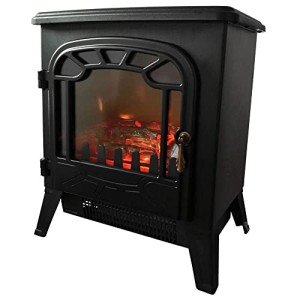
The Reasons Why Fireplace In 2024 Is The Main Focus Of All People's Attention. 2024
The Fireplace: A Warm Embrace of Tradition and Comfort
Fireplaces have been an important part of human habitation for centuries, acting as a source of heat, a meeting place, and a symbol of convenience. While the modern variations may differ remarkably from their ancient forefathers, the attraction of a fireplace sustains. This article checks out the different aspects of fireplaces, including their history, function, types, and upkeep, while likewise attending to regularly asked questions.
The Evolution of Fireplaces
Fireplaces date back to ancient times when open flames were utilized for cooking, heating, and protection from wildlife. Over the centuries, fireplaces progressed from simple fire pits to the advanced performances we see today. Here is a brief timeline of their advancement:
- Prehistoric Era: Cavemen utilized open flames for heat and cooking. Wind and smoke frequently blew into homes.
- Middle Ages: Stone and brick fireplaces ended up being common in homes and castles, integrating chimneys to carry smoke outside.
- Renaissance: Elaborately created mantels emerged, and fireplaces ended up being centers of social interaction.
- Industrial Revolution: Innovations in heating materials led to a variety of styles and performances.
- Modern Era: The introduction of gas, electric, and bioethanol fireplaces supplied cleaner options to traditional wood-burning systems.
Table 1: The Evolution of Fireplaces
Age
Attributes
Ancient Era
Open flames for heat and cooking
Middle Ages
Stone and brick structures with early chimneys
Renaissance
Elaborate mantels, social centers
Industrial Revolution
Diverse styles, development of brand-new products
Modern Era
Gas, electric, and bioethanol choices
The Purpose of a Fireplace
Fireplaces serve double purposes: they provide physical heat and develop a psychological environment. Homeowners often collect around the fireplace to bond, share stories, and enjoy a cozy setting. The glow of a fire can be relaxing, adding to a sense of relaxation and intimacy. Beyond personal pleasure, fireplaces likewise use practical benefits, consisting of:
- Home Heating: Effective heat source, specifically in chillier climates.
- Increased Home Value: A properly designed fireplace can boost the visual worth of a home.
- Emergency Heating: In case of power blackouts, wood-burning fireplaces can work as an important heat source.
- Aesthetic Appeal: A centerpiece that contributes to interior decoration.
Kinds of Fireplaces
Today, fireplaces can be found in various styles and fuel types, accommodating a diverse variety of preferences and settings. Here are some common types:
Wood-Burning Fireplaces:
- Traditional fire pits
- Timeless masonry fireplaces
- Need significant upkeep and chimney maintenance
Gas Fireplaces:
- Available in both direct vent and ventless varieties
- Simpler to use and keep than wood-burning fireplaces
- Offer instantaneous heat with a flick of a switch
Electric Fireplaces:
- Offer associated heat sources without genuine flames
- Frequently developed to simulate traditional fireplaces
- Suitable for smaller areas and homes without a chimney
Bioethanol Fireplaces:
- Use bioethanol fuel, supplying a sustainable option
- Need no ventilation and can be put anywhere
- Safe and simple to keep
Table 2: Types of Fireplaces
Type
Fuel Source
Functions
Maintenance Requirements
Wood-Burning
Wood
High ambiance, heat source
Routine chimney cleansing
Gas
Gas or lp
Instantaneous heat
Very little, periodic maintenance
Electric
Electrical power
Easy setup
Very low maintenance
Bioethanol
Bioethanol fuel
Ventless, portable
Low, primarily cleaning
Maintenance and Safety Considerations
Owning a fireplace involves certain responsibilities, particularly regarding its safe operation and long-lasting upkeep. Here are necessary maintenance suggestions and safety standards:
Maintenance Tips:
- Annual Inspection: Always have your chimney and fireplace checked a minimum of when a year by a certified service technician.
- Routine Cleaning: Clean out ashes and debris after each use, and guarantee the flue is open before beginning a fire.
- Look for Cracks: Inspect masonry for cracks or damage to avoid structural problems.
- Use Proper Fuel: Only usage dry, skilled wood for wood-burning fireplaces; do not burn cured wood.
Safety Guidelines:
- Install Smoke Detectors: Ensure smoke alarm are functional, evaluating them month-to-month and replacing batteries as needed.
- Keep a Fire Extinguisher: Have one nearby, even if a fireplace is utilized infrequently.
- Supervise Flames: Never leave a fire ignored, and make sure children and pets are kept track of around the fireplace.
Often Asked Questions (FAQs)
1. How can I lower smoke from a wood-burning fireplace?
To decrease smoke, usage dry, skilled wood, and make sure that your chimney is tidy and unobstructed.
2. Is it safe to use gas fireplaces throughout a gas leak?
Never ever use a gas fireplace during a gas leakage. Instantly evacuate the location and contact gas services for aid.
3. Can Buy Fireplace UK set up an electric fireplace myself?
Electric fireplaces are usually simple to install, however it is suggested to talk to specialists to ensure safety and compliance with regional structure codes.
4. What is the best type of fireplace for small spaces?
Electric fireplaces or bioethanol designs are frequently best for small spaces, as they do not require substantial ventilation or structural modifications.
Fireplaces have actually transcended their original function of providing heat to end up being cherished components of home style and domesticity. They evoke memories of warmth, celebrations, and togetherness while providing functional advantages that enhance modern living. By comprehending the different types of fireplaces, their maintenance, and safety practices, homeowners can delight in the classic appeal of this precious feature for generations to come.